
The Prince Group of Events
The Prince Group of Events
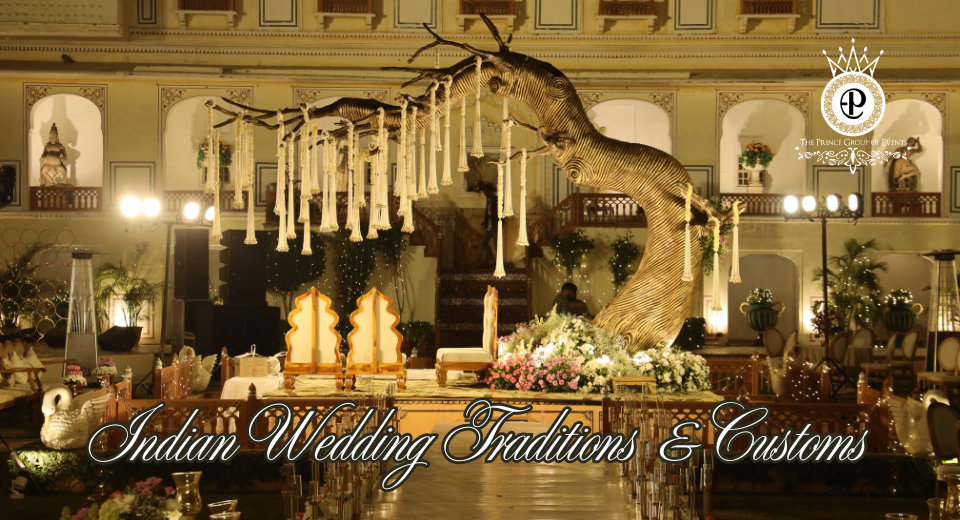
Indian Wedding Traditions and Customs
Unless you have been to an Indian wedding, you might think of stepping into a world where all colors are significant, the rituals have a tale to tell and every moment is filled with emotion. Not only is it a wedding, but a well choreographed affair of love, family, culture and centuries old traditions.
The Indian weddings, particularly the North Indian Hindu weddings are full of symbolism and take several days. All the ceremonies, be it in joy, spiritual or emotional, help in equipping the couple to take a life long ride.
Let us take this experience step by step as an Indian would tell his/her friend who is viewing it all first.
Rituals Are The Soul of Indian Weddings
There is one thing to know, before going into rituals:
In India marriage is not only between two people but it is a union of two families, two cultures and even a community.
Indian weddings are family oriented unlike many of the Western weddings that are couple oriented. The ageing population praises, family members are involved, and customs dictate each action.
Read More: Traditional Rajasthani Wedding Decor Ideas for Palace Weddings
Pre-Wedding Rituals: Where the Celebration Begins
The ceremonies create enthusiasm and establish a much emotional and cultural base prior to the wedding date.
Roka - When It All Becomes Official
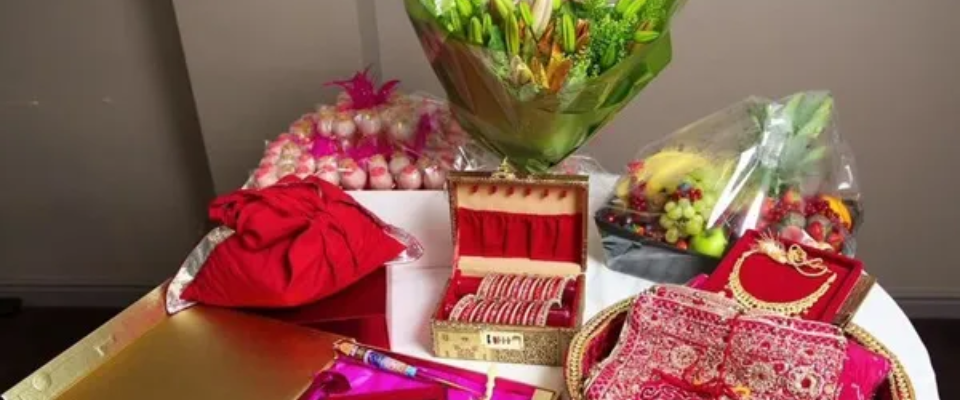
A Roka ceremony is observed in which the two families officially consent to the marriage. It's intimate yet powerful.
No great Big Show here--no scene dramatics, just sincere acceptance. Couples receive gifts, sweets and blessings and this means that the hunting is over and the journey thus began.
It is not hard, but emotionally important-it is the first yes of both parties.
Engagement (Sagai) – A Promise Sealed
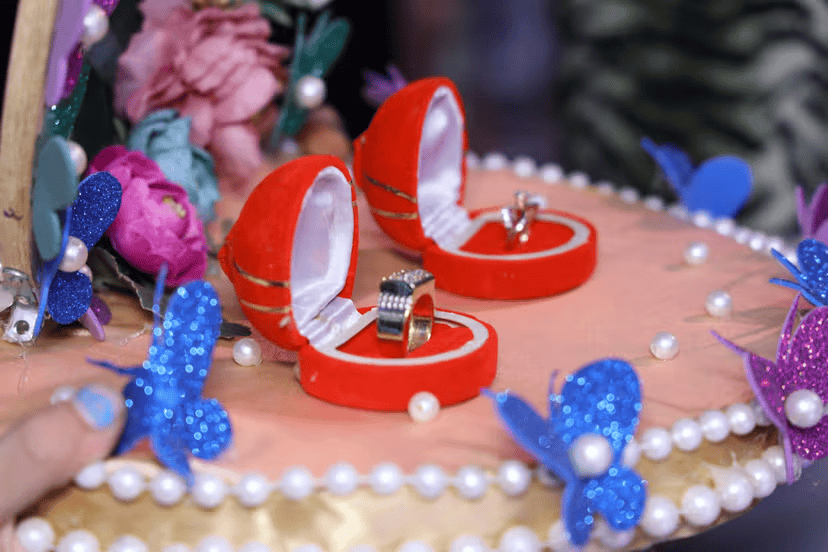
The ceremony of engagement is the one in which the couple gives out rings. But in India, it is not a romantic thing, it is a statement of commitment in the open.
Families gather, rituals are carried out and the couple enters a new stage in their relationship.
It is the point at which love collides with tradition.
Must Read: Wedding Dress for Bride and Groom: Latest 2026 Indian Trends
Mehendi - Where Art Meets Emotion
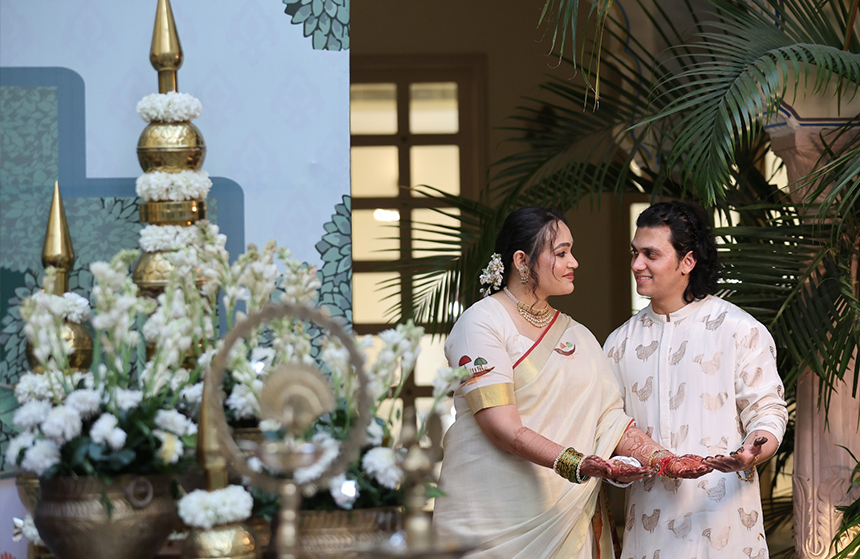
One of the most beautiful and happy events about the Indian wedding is the Mehendi ceremony.
The bride holds some beautiful henna designs on her hands and feet and sometimes conceals the initials of the groom in a mischievous manner. Music is playing, friends are dancing and people are laughing.
And yet, more than the beauty, Mehendi has a meaning:
- It represents love and prosperity
- A darker shade is assumed to depict a stronger connection
- It is also a time to connect with the loved ones of the bride
This rite is not as much of a ritual as a happiness celebration.
Haldi - Ceremony of purity and security
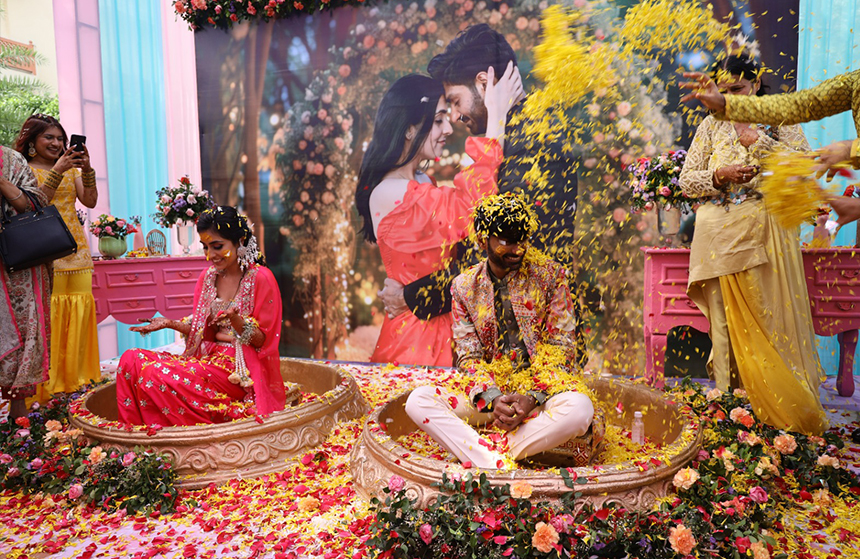
During the Haldi ceremony, the bride and the groom are put through a paste composed of turmeric, sandalwood amongst other natural elements.
It can be fun (and it can be messy), but it can be traced back to the roots:
- Turmeric cleanses and preserves
- It wards off negative energy
- It trains the couple both physically and spiritually
It has something really human about it too, family members covering with Haldi laughing, teasing and loving.
Sangeet - Where Families Become One
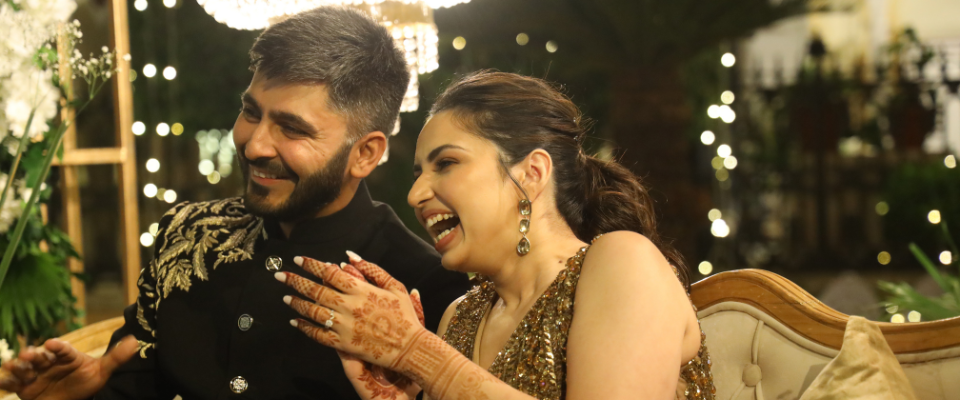
The Sangeet is the place where the wedding really happens.
It is a night of singing, dancing and performances in which the two families unite. It is memorable through carefully rehearsed dances, playful competitions and emotional performances. This would be the party night of Indian weddings.
Read More: Difference Between Palace and Resort Wedding in Jaipur
Wedding Day Rituals: Sacred, Grand, and Emotional
It is the core of the marriage - rituals transforming into vows and traditions becoming lifelong.
Baraat - The Grand arrival of the Groom
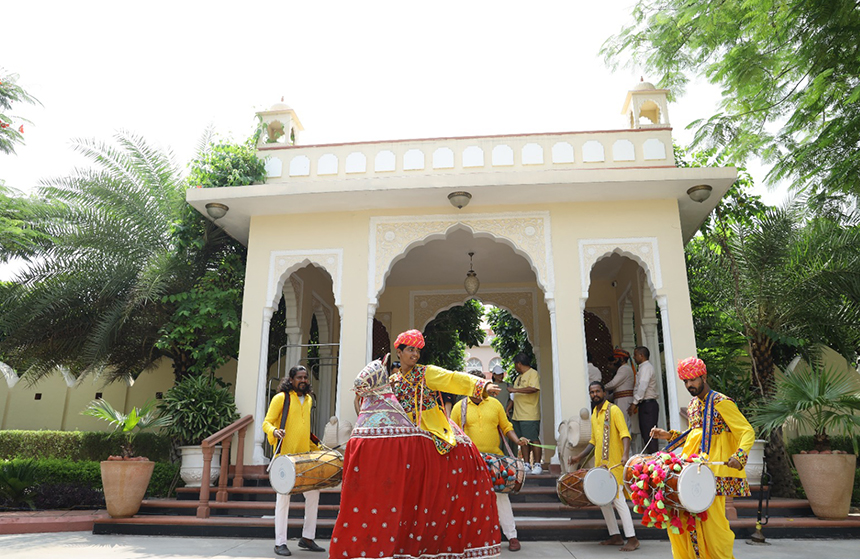
The groom is not just coming, he comes making an entrance.
During the Baraat, the groom arrives with a lively procession of relatives and friends dancing to music, and generally mounted on a horse. It is lively, noisy and joyous.
Think of it as a celebration announcing:
“The groom is here, and the wedding is about to begin.”
Jai Mala (Varmala)- The First Connection
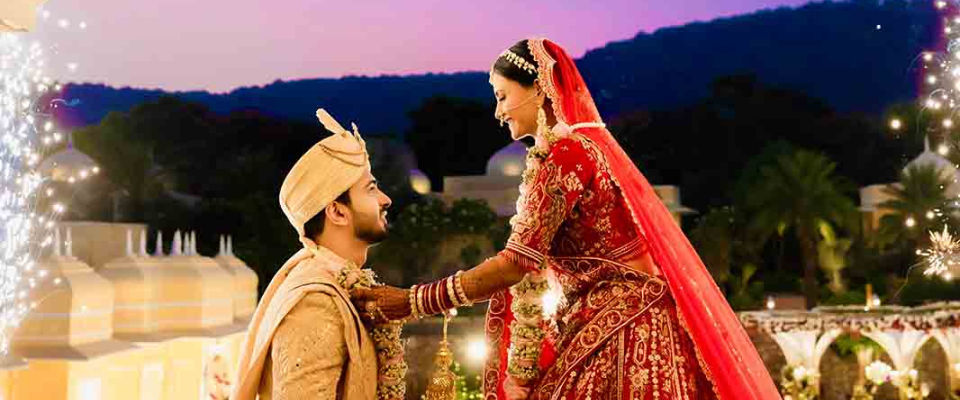
As soon as the bride and the groom meet, they give each other flower garlands.
It is so easy, yet it is symbolic of acceptance of each other-I choose you.
In many instances, this is a very jovial moment, with friends hoisting the bride or groom over the edge to make it more difficult making tradition a joke.
Kanyadaan - A Moment of Deep Emotion
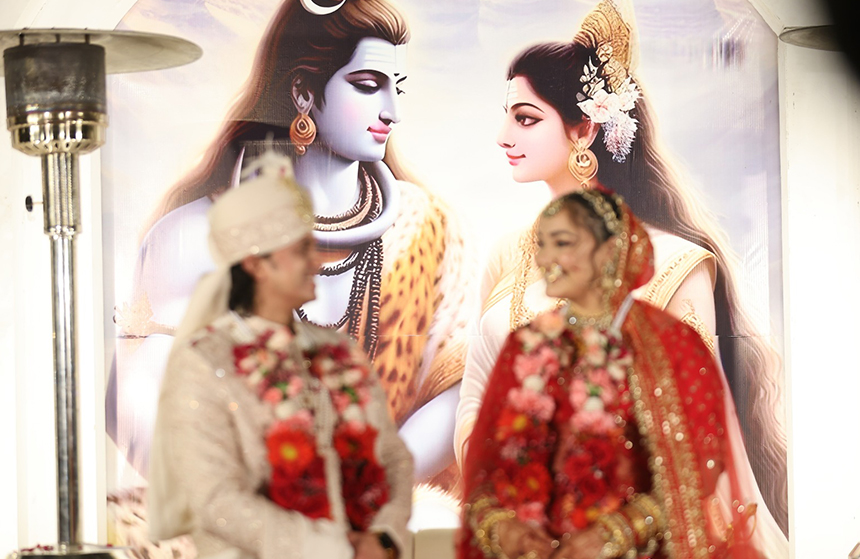
It is a very emotional ceremony of an Indian wedding.
The groom and the bride have their hands intertwined as the bride is being entrusted, loved and letting go by her parents. It is a transition-one family to another.
This is the point where sentiments overflow, to many. It is not merely a ceremony, but a heartfelt farewell and a satisfactory future.
Saat Pheras - The Sacred Vows
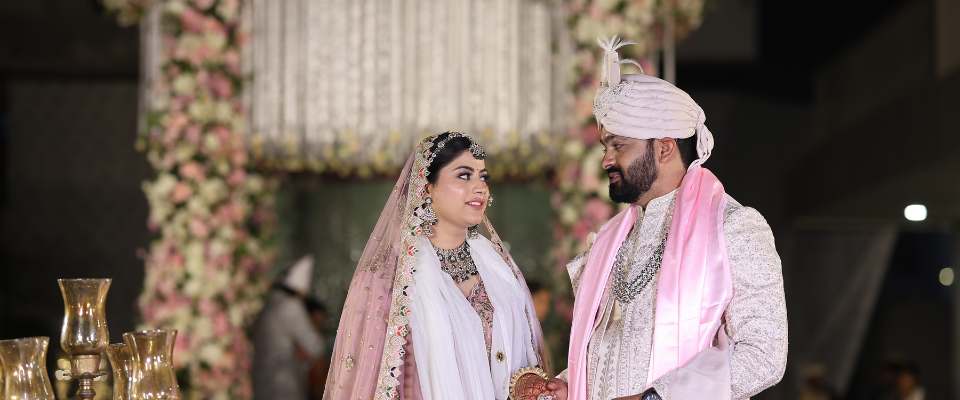
The main ritual in a Hindu wedding is the Saat Pheras or walking around a sacred fire.
Each time, the couple promises one another, about love, respect, support, and joint commitments.
These vows are sacred and eternal as the fire is a witness of God.
It is at this point that the marriage is really defined.
Sindoor and Mangalsutra - The Final Seal
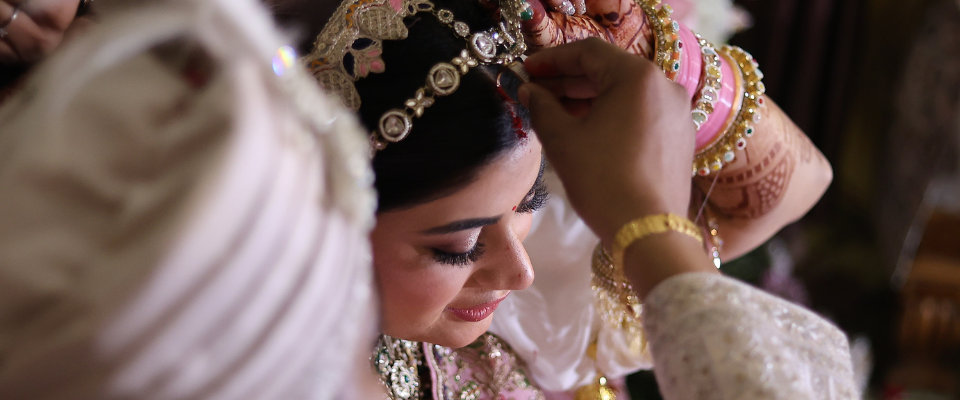
Once the vows are done, the groom puts sindoor (vermilion) on the parting of the bride's hair and puts mangalsutra on her neck.
These are not mere ornaments, they are an epitome of marriage, commitment, and protection.
By this, the couple is already considered as a husband and wife.
Post-Wedding Rituals: Saying Goodbye and Starting Fresh
Once the marriage is over, there is a change in feelings following the celebration to emotions.
Bidai - The Emotional Farewell
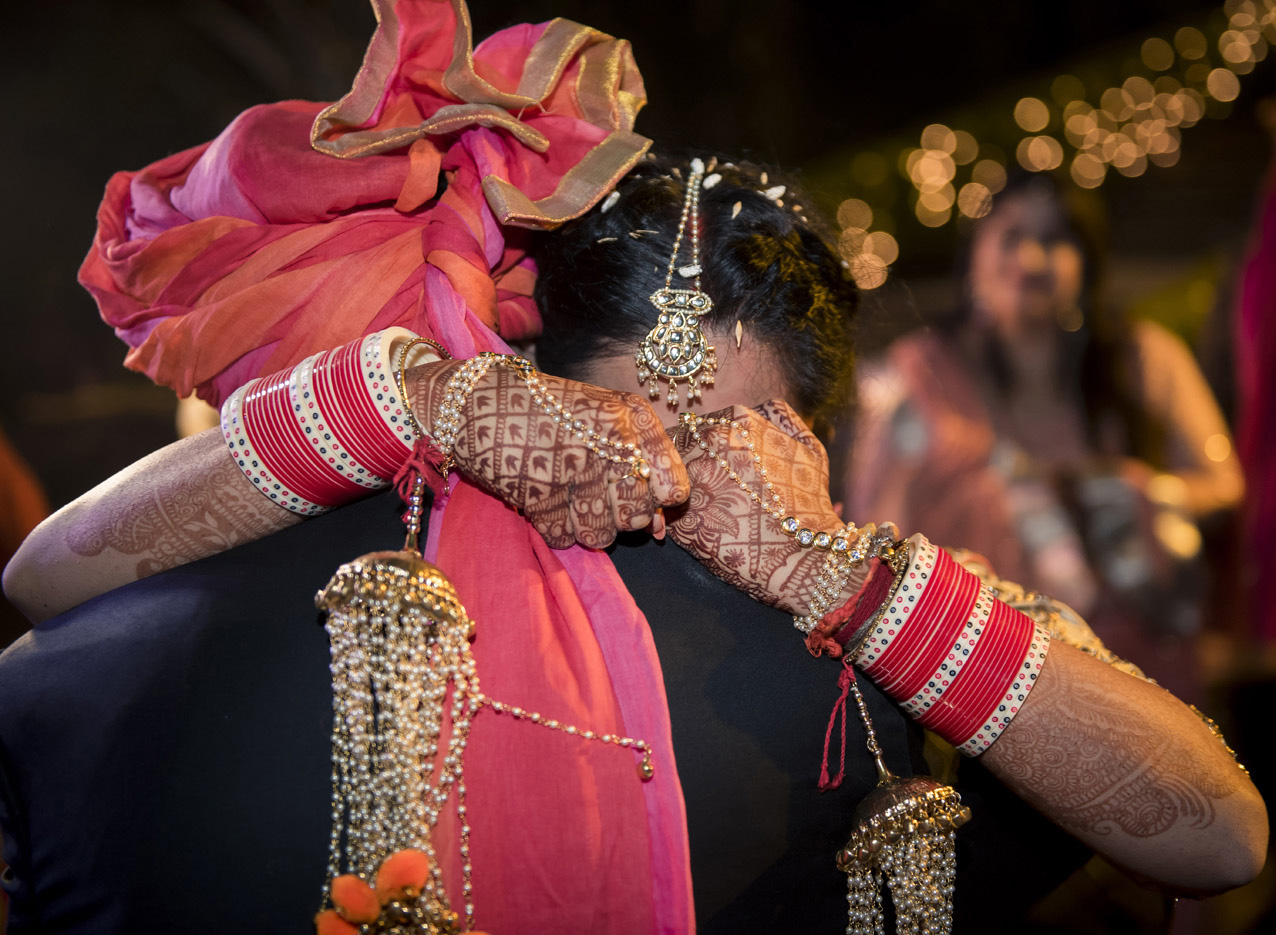
One of the most heart touching is the scene about Bidai.
The bride bids her family goodbye and she leaves her childhood home. The former celebrations are often substituted by tears, hugs and silence.
When she throws rice behind her, she symbolically expresses thanks and hopes that the home that she is leaving prosper.
The Griha Pravesh - A Fresh Start
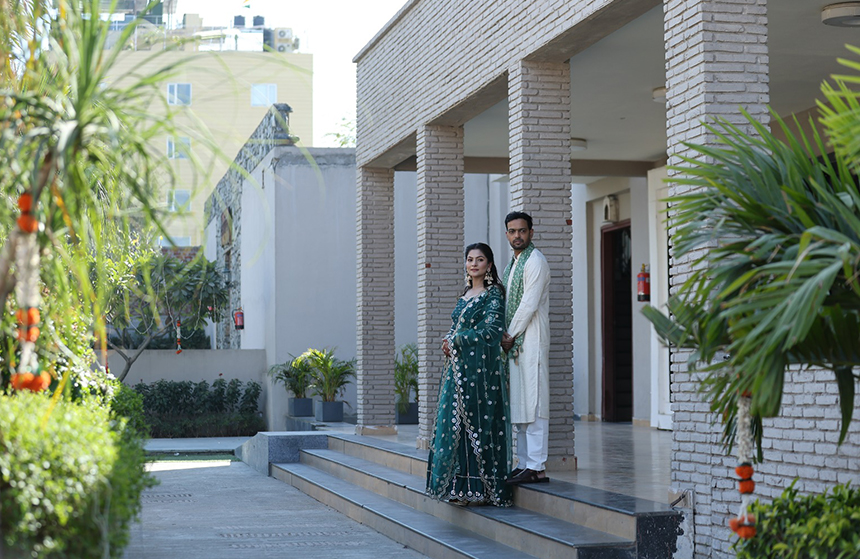
Rituals were used when the bride was welcomed to her new household and this signaled success and wealth.
She also steps into the house leaving footprints which symbolize good fortune and kicks a pot of rice, which is a symbol of plenty.
It is not an entry, it is a new chapter.
Why These Traditions Matter
These rituals are elaborate to an outsider--yet there is a reason behind each of them.
They are designed to:
- Get the couple ready both emotionally and spiritually
- Strengthen family bonds
- Pass down cultural values
- Love in its most significant way
Indian weddings are a mixture of happiness and richness, fun and faith go hand in hand. All these traditions and customs are important for a Hindu Marriage and with planning your wedding with a wedding planner like The Prince Group of Events, all customs and rituals performed smoothly without any hindrance.
FAQs
Q: Why do Indian weddings take so long?
They involve several rituals, all of which have cultural and spiritual meanings.
Q: What is the significance of the seven pheras?
There are seven vows of lifetime between the couple.
Q: Is every Indian wedding the same?
No, everything depends on the region, religion and family traditions.
Q: Which is the most emotional aspect of an Indian wedding?
When the bride is leaving the family house, the Bidai.

Recent Posts
Winter palace wedding in Jaipur: Heating, guest comfort and outdoor timing
Sat Sep 26 2026
How to Manage Guests Staying at Multiple Hotels During a Jaipur Wedding
Wed Sep 23 2026
Destination wedding in Jaipur for 100 guests: Venue, rooms and cost planning
Mon Sep 21 2026
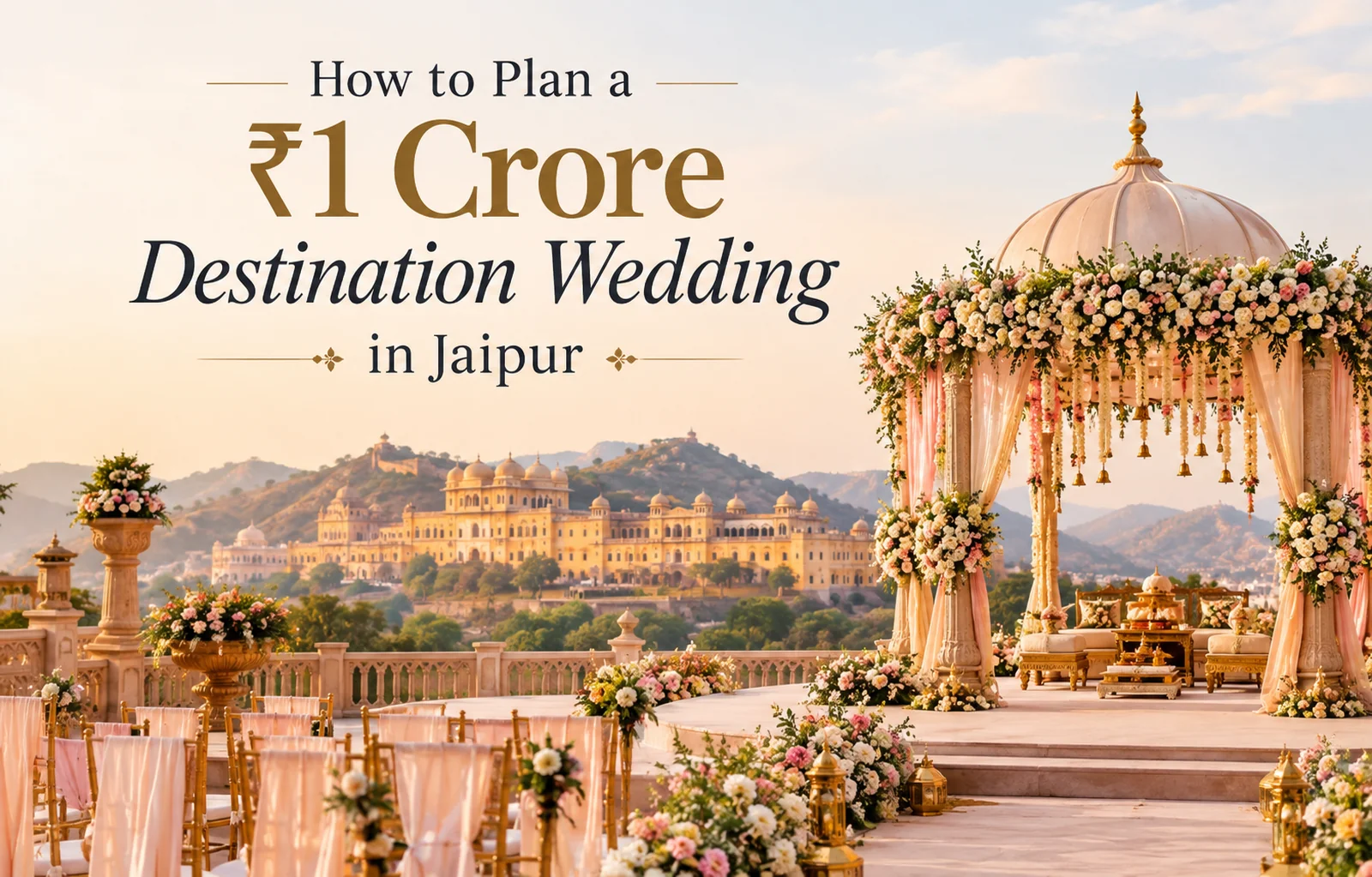
How to Plan ₹1 Crore Destination Wedding in Jaipur
Fri Sep 18 2026
Share this post
Get In Touch
Company
- About Us
- Album
- Wedding Services
- Real Wedding
Favourite Planner
- Wedding Decorators in Jaipur
- Wedding Venues In Jaipur
Other Links
- Privacy Policy
- Terms & Conditions
- Blog
Contact Us
Plot no. 77, Dhaka Nagar, Maa Anjani Nagar, Jaipur, Rajasthan 302012
Copyright © 2026 All Rights Reserved